
Say Goodbye to Tricuspid Regurgitation
TriClip™ Dramatically Improves Quality of Life Without Major Surgery
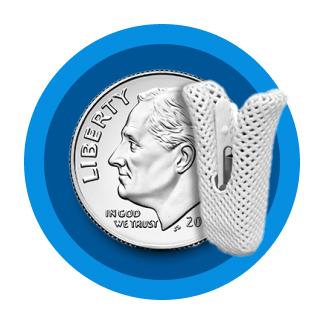
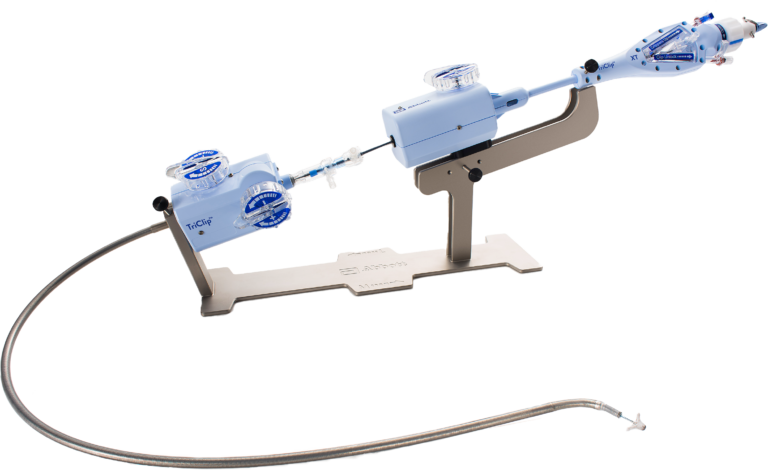
This innovative device, about the size of a dime, is transforming the lives of individuals suffering from tricuspid regurgitation (TR) by safely and effectively repairing leaky tricuspid valves without the need for invasive surgery.

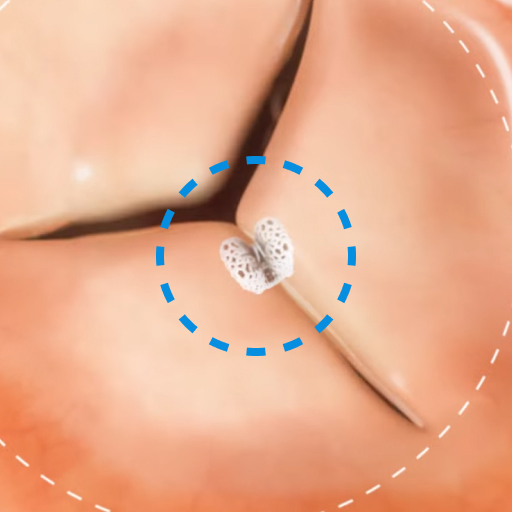
What is tricuspid regurgitation (TR) and how does the TriClip™ help?
Tricuspid regurgitation is a type of heart valve disease, in which the tricuspid valve between the two right heart chambers doesn’t close as it should. Because of this, blood flows backward through the valve into the upper right chamber. Less blood flows to the lungs, making the heart work harder.
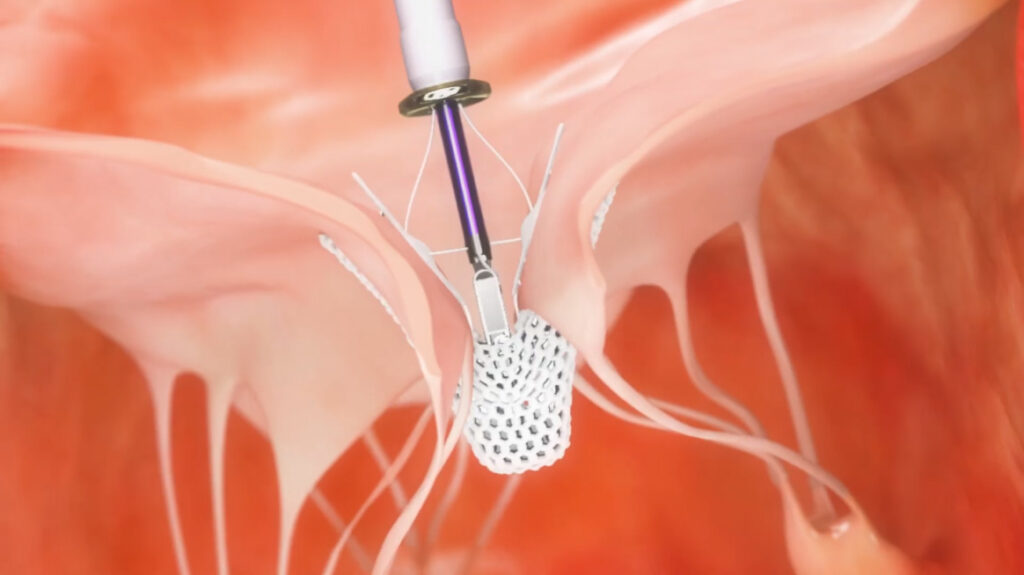
TriClip repairs this issue by grasping and bringing together the leaflets of the tricuspid valve. Once properly positioned, the clip is deployed, permanently fastening the leaflets together. This reduces the back flow of blood from the right ventricle to the right atrium, significantly reducing tricuspid regurgitation. If necessary, multiple clips can be placed to achieve optimal results.
Without Adequate Intervention
- Tricuspid valve leaks
- Blood flows backward
- Less blood flows to lungs
- Heart works harder
- Heart weakens over time
- Quality of life significantly diminished
With TRICLIP Intervention
- Tricuspid valve leaks
- Leak is repaired with TriClip
- Quality of life significantly improved


What are the symptoms of TR?
Tricuspid regurgitation is debilitating and has a significant impact on a patient’s quality of life. Common symptoms of this condition include:
- Extreme fatigue
- Shortness of breath with activity
- Feelings of a rapid or pounding heartbeat
- Pounding or pulsing feeling in the neck
- Swelling in the belly, legs or neck veins
How is TR diagnosed?
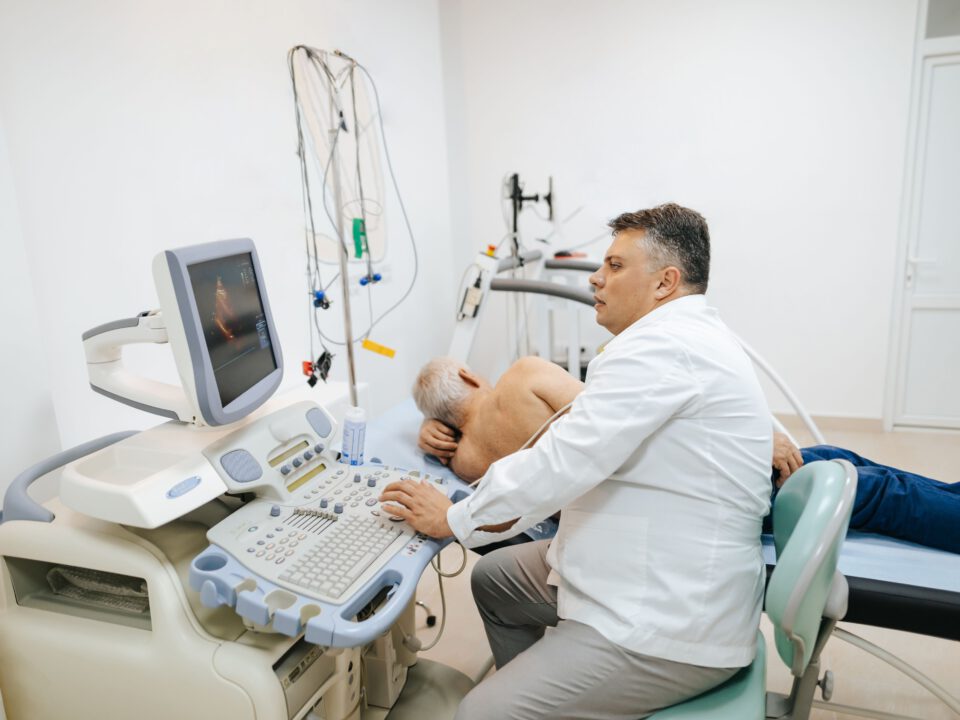
A Deborah Heart and Lung Center cardiologist will use echocardiography to diagnose tricuspid regurgitation. Rarely, if an echocardiogram doesn’t provide enough information, the physician may order a cardiac catheterization.

Why TriClip™?
A Closer Look at the Benefits
TriClip is a minimally-invasive tricuspid valve repair procedure for patients whose TR may otherwise remain untreated. Benefits include:
- Reduced regurgitation (90% of patients saw improvement within 30 days)
- Faster recovery times
- No open heart surgery necessary
- Dramatically improved quality of life
- Favorable safety profile (98% of patients had no major adverse events within 30 days)
How Does TriClip™ Measure Up?
Comparing Medication and Valve Repair Surgery to TriClip
Of the 1.6 million people affected by tricuspid regurgitation, less than 0.6% have been treated. For most patients with TR, medical management is not enough and tricuspid valve surgery is not an option. TriClip offers a middle ground between the two, providing a safer option for high-risk patients and effectively reducing TR.
| Solution | Medication Management | Valve Repair Surgery | TriClip Procedure |
|---|---|---|---|
| Invasiveness and Recovery | Non-invasive, but doesn't directly address valve issue | Highly invasive with a multi-day hospital stay and lengthy recovery | Minimally invasive with a brief hospital stay and little to no downtime |
| Effectiveness in Reducing TR | May alleviate symptoms but doesn't address valve issue | Can effectively repair or replace the valve, but carries more risks | 90% of patients experienced TR reduction within 30 days |
| Long-Term Outcomes | May slow symptom progression but doesn't address valve issue | Effective but risks include valve degeneration, thrombosis, and long-term need for blood thinners | Sustained TR reduction and quality of life improvement at one year |
| Suitability for High-Risk Patients | Can be used for most patients, including those unsuitable for surgery | Higher risk, with perioperative mortality rates of 8 to 10% | Suitable for patients at intermediate or greater risk for valve repair surgery |
| Safety | Generally safe, but may have side effects and limited long-term effectiveness | May not be feasible for older or sicker patients | 98% of patients free from major adverse events at 30 days post-procedure |
| Action | Request a Consultation |
Why Deborah® Is The Right Choice For Your TriClip™ Procedure
Life is full of tough questions. Where to go for cardiac care shouldn’t be one of them. With a reputation for excellence and award-winning cardiac surgery outcomes, Deborah Heart and Lung Center is the obvious choice for TriClip.

Extensive Experience
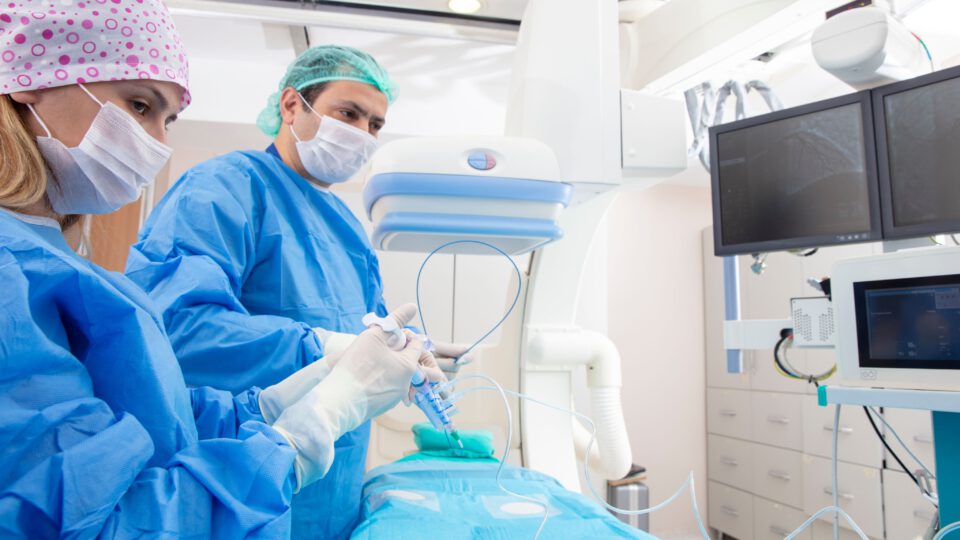
Our world-class multidisciplinary heart team has extensive experience in transcatheter tricuspid valve interventions, including the TriClip procedure.
Comprehensive Testing
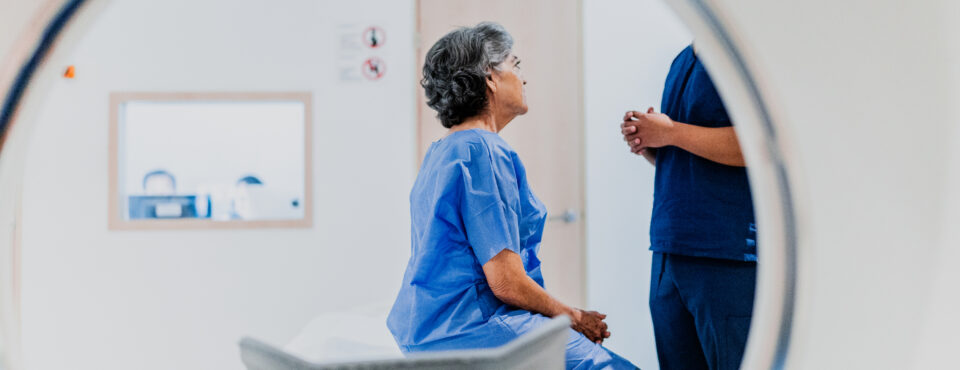
We offer a comprehensive pre-procedure evaluation process, including necessary tests such as transthoracic echocardiogram (TTE) and angiogram, to ensure each patient is an ideal candidate for TriClip.
Precise Imaging
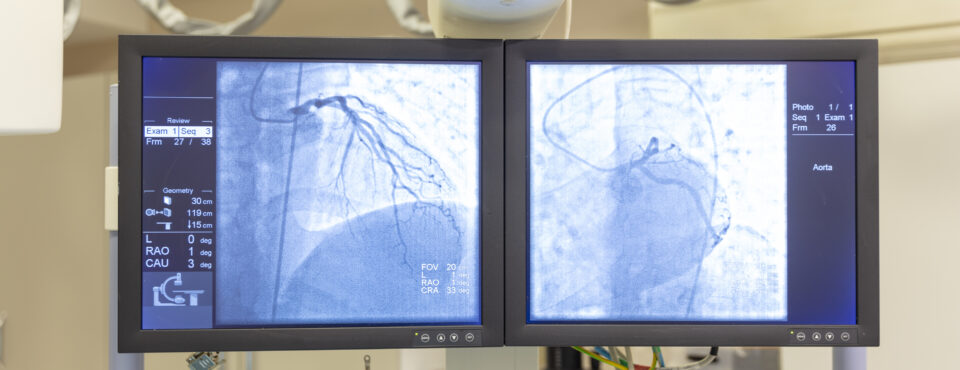
Our facility is equipped with the latest imaging technologies, including high-resolution transesophageal echocardiography (TEE) and advanced fluoroscopy systems, ensuring precise guidance during the procedure.

Thorough Patient Prep
Our streamlined pre-admission process includes thorough medication management and required pre-procedure testing, ensuring patients are fully prepared for the procedure.
Cutting-Edge Facilities
We have a state-of-the-art catheterization lab specifically designed for advanced cardiac procedures like TriClip.

Optimal Outcomes
We have a thorough patient selection process, adhering to strict criteria to ensure optimal outcomes for each TriClip candidate.

Collaborative Care
Our dedicated TriClip team includes highly skilled interventional cardiologists, cardiac surgeons, echosonographers, anesthesiologists, and specialized nursing staff, all working together to provide the best possible care.

Continuous Monitoring
Post-procedure, patients recover on our specialized cardiac floors, where our expert staff will closely monitor progress and provide top-notch care.

Recovery Support
We have a clear, patient-centered discharge process and a comprehensive follow-up program to support recovery after leaving the hospital.

Nationally Renowned
At Deborah, patients are in the hands of one of the country’s most experienced and well-equipped cardiac care teams.
Extensive Experience
Our world-class multidisciplinary heart team has extensive experience in transcatheter tricuspid valve interventions, including the TriClip procedure.
Comprehensive Testing
We offer a comprehensive pre-procedure evaluation process, including all necessary tests such as transthoracic echocardiogram (TTE) and angiogram, to ensure each patient is an ideal candidate for TriClip
Precise Imaging
Our facility is equipped with the latest imaging technologies, including high-resolution transesophageal echocardiography (TEE) and advanced fluoroscopy systems, ensuring precise guidance during the procedure.
Thorough Patient Prep
Our streamlined pre-admission process includes thorough medication management and all required pre-procedure testing, ensuring patients are fully prepared for the procedure.
Cutting-Edge Facilities
We have a state-of-the-art catheterization lab specifically designed for advanced cardiac procedures like TriClip.
Optimal Outcomes
We have a proven track record in patient selection, adhering to strict criteria to ensure optimal outcomes for each TriClip candidate.
Collaborative Care
Our dedicated TriClip team includes highly skilled interventional cardiologists, cardiac surgeons, echosonographers, anesthesiologists, and specialized nursing staff, all working together to provide the best possible care.
Continuous Monitoring
Post-procedure, patients recover on our specialized cardiac floors, where our expert staff will closely monitor progress and provide top-notch care.
Recovery Support
We have a clear, patient-centered discharge planning process and a robust follow-up care protocol to support recovery after leaving the hospital.
Nationally Renowned
At Deborah, patients are in the hands of one of the country’s most experience and well-equipped cardiac care teams.

What to Expect After TriClip™
After undergoing a TriClip procedure, patients can expect a gradual recovery process followed by a significant reduction in symptoms.

Frequently Asked Questions About TriClip™
What is TriClip?
TriClip is a minimally invasive device designed to repair leaky tricuspid valves (tricuspid regurgitation) without open-heart surgery.
How does TriClip work?
The TriClip works by clipping the leaky tricuspid valve leaflets together, reducing the backflow of blood that contributes to symptoms of tricuspid regurgitation.
What are the benefits of TriClip?
- Minimally invasive procedure with a short hospital stay (typically one day)
- Significant reduction in tricuspid regurgitation
- Improved quality of life and functional status for patients
- Low risk of complications
- Suitable for high-risk patients who may not be candidates for open-heart surgery
Is TriClip safe?
Yes, TriClip has demonstrated a favorable safety profile. In clinical trials, 98% of patients were free from major adverse events through 30 days.
How effective is TriClip?
Clinical data shows that 89% of patients achieve moderate or less tricuspid regurgitation at 1-year post-procedure.
Who is eligible for TriClip?
TriClip is indicated for patients with severe, symptomatic tricuspid regurgitation who are at high risk for open-heart surgery.
What tests are needed to determine eligibility for TriClip?
Patients typically undergo several tests, including echocardiograms, CT scans, and consultations with cardiologists and surgeons to determine eligibility.
How long does recovery take after a TriClip procedure?
Recovery time is generally short, with most patients requiring only a brief hospital stay. However, specific recovery times may vary based on individual patient factors.
Is TriClip MRI-compatible?
Yes, TriClip implants are suitable for most MRI machines. Be sure to alert staff before any imaging appointment that you have a TriClip.
About Deborah Heart and Lung Center
Deborah Heart and Lung Center in Browns Mills, New Jersey, is a teaching hospital in the prevention, diagnosis, research and treatment of heart, lung and vascular diseases.

Founded in 1922, Deborah has treated more than 2.3 million hearts from every corner of the United States and 87 countries. From performing the first adult and pediatric open-heart surgeries in New Jersey, to one of the highest-volume left-ventricular assist device (LVAD) implant programs in the nation, Deborah is consistently recognized as a leader overall and in patient care from the Centers for Medicare and Medicaid Services (CMS).
It is ranked among the top hospitals in New Jersey for patient satisfaction; holds a top-tier Society of Thoracic Surgeons rating which places Deborah among the best cardiac surgery programs in North America; and is rated High Performing in five specialties: Heart Arrhythmia, Heart Attack, Heart Bypass Surgery, Heart Failure, and Pacemaker Implantation by U.S. News & World Report.
Take the first step towards reclaiming your life with TriClip™